Types of Solar Inverters Available in Pakistan
On-grid solar inverters
On-grid (grid-tied) inverters convert solar DC power to AC and feed it to your building and the grid. They are usually the lowest-cost option because they need no batteries. The key limitation: a standard grid-tied inverter shuts down during a grid outage for safety, so it will not keep your lights on during load shedding unless a supported backup arrangement is installed.
Hybrid solar inverters
Hybrid inverters manage solar generation, grid power and battery charging and discharging in one unit. When the grid fails, they can supply backup power from the battery and solar. Backup capacity, battery type and switching behavior depend on the specific model and system design, so a hybrid inverter is only as good as the battery and wiring it is paired with.
Off-grid solar inverters
Off-grid inverters run entirely from solar and batteries, which suits sites with weak or no grid supply, such as remote farms or rural homes. They need careful battery sizing because there is no grid to fall back on.
Single-phase vs three-phase inverters
Match the inverter to your property’s electrical connection. Single-phase supply is common in smaller homes, while larger homes, workshops, farms and commercial buildings often have three-phase connections. Three-phase inverters balance output across phases and are the standard choice at higher capacities. Check your meter and connection type, and have an installer confirm before you order.
Best Solar Inverter by Capacity: 3kW to 125kW
Inverter capacity is a starting point, not the full answer. The kW rating alone does not tell you how many appliances or air conditioners the system can run, because motor loads draw much higher starting surges than their running power. Size from your measured load and solar array, not from a rule of thumb.
3kW–5kW inverters for smaller homes
These suit smaller homes with modest loads such as lights, fans, a refrigerator and a limited number of appliances. Options include the FoxESS S3300-G2 and T5-G3 on-grid models, and compact hybrids such as the MaxPower PV Tech 5000, Crown Xavier III and FoxESS H1-4.6-E-G2.
6kW–8kW inverters for typical household applications
This is the most common range for family homes. Consider the GoodWe ES-C10 6kW and ES Uniq 8kW, the Sofar 6kW on-grid and 8kW hybrid, the Crown Xavier II and Elego Star 6.5kW, and the MaxPower PV Tech 9000 and Voltas 8kW. Check the surge rating if you run air conditioners or water pumps.
10kW–12kW inverters for larger homes and small businesses
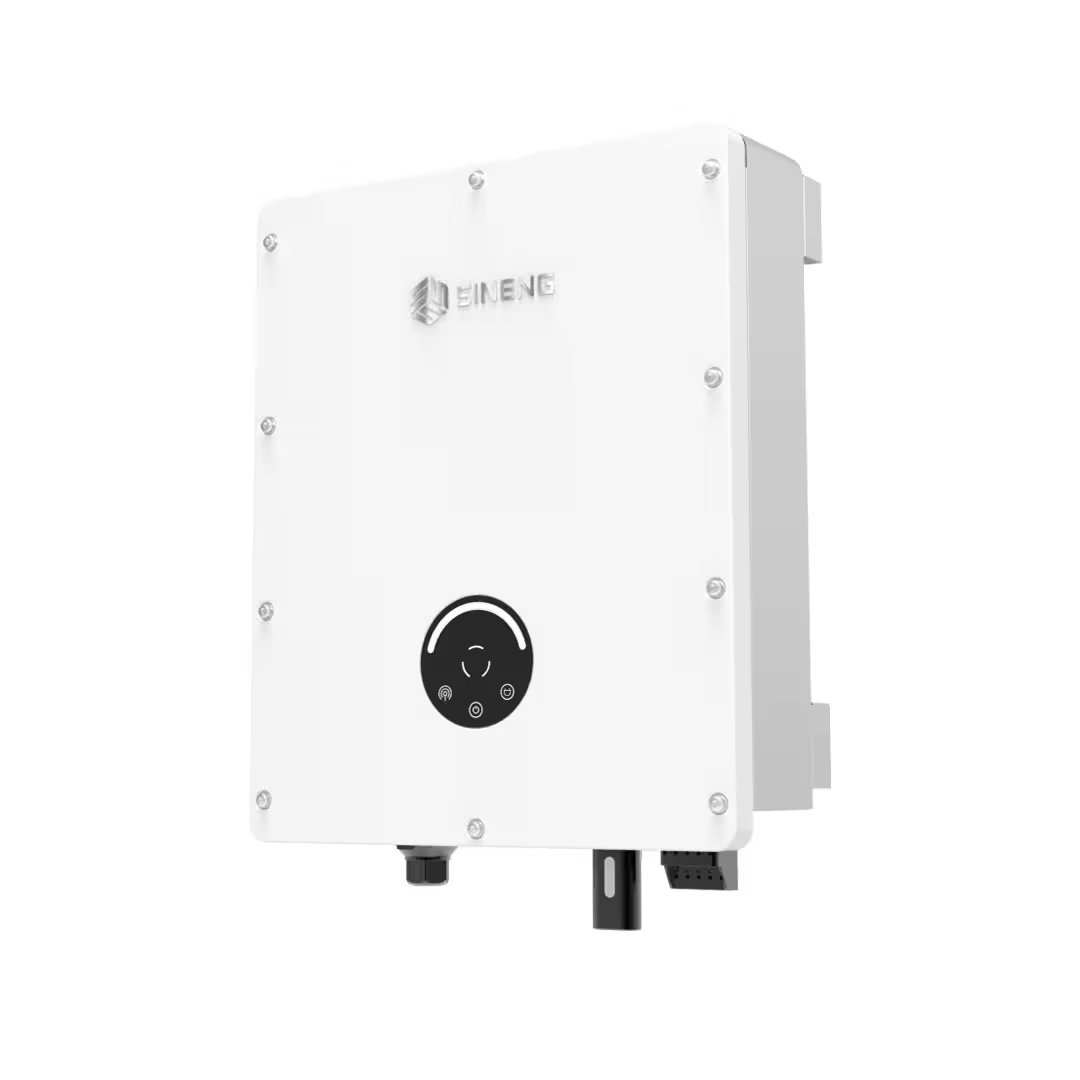
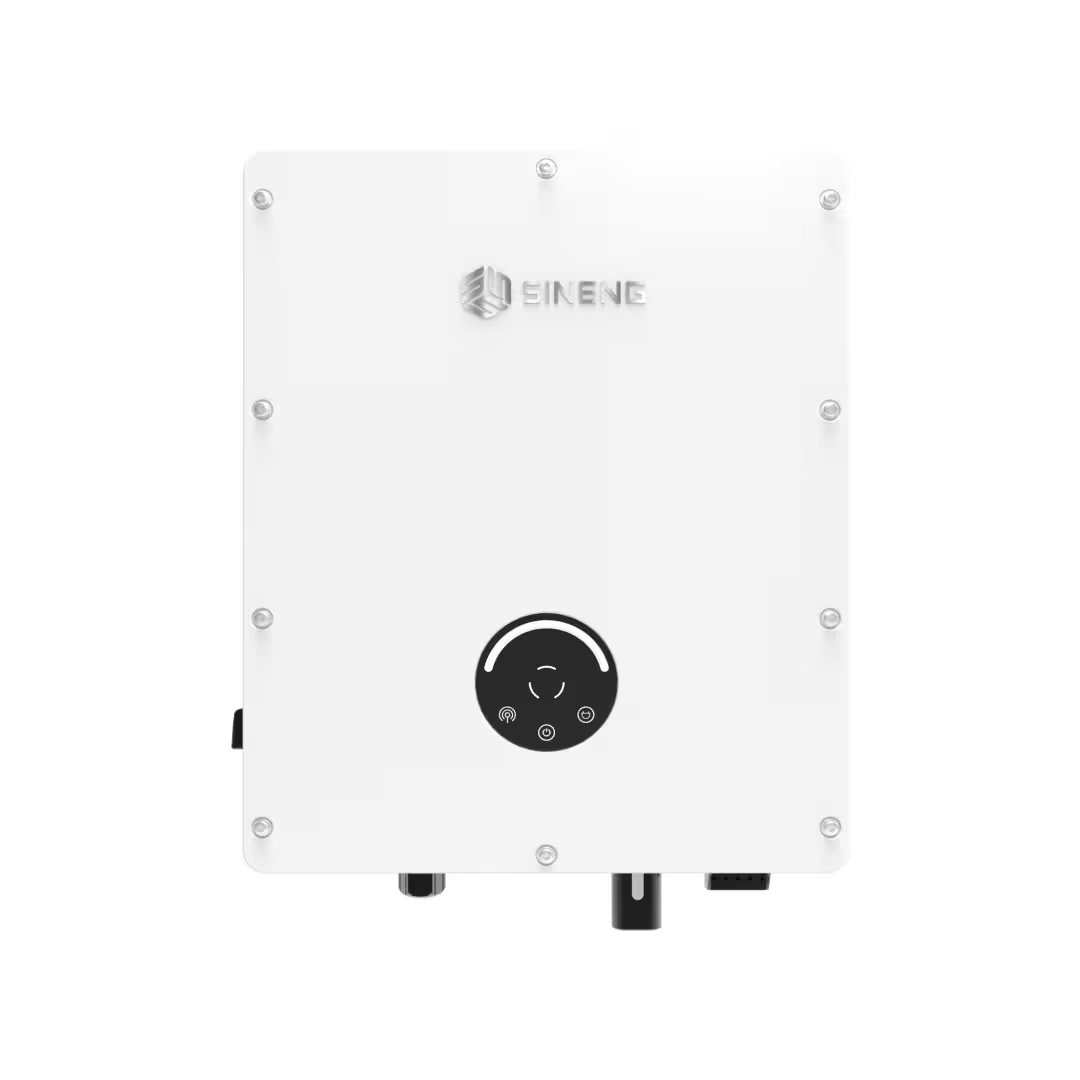
Models such as the Sineng SN10PT, GoodWe ES-C10 10kW and G2 Plus 12kW, FoxESS T10-G3 and T12-G3, Sofar 11KTLX-G3, and MaxPower Voltas 10kW and 12kW fit here. A 10kW inverter can suit a large home with a well-planned load, but that depends on your actual consumption and how many heavy loads run at once.
15kW–25kW inverters for larger properties and businesses
Options include the GoodWe G2 Plus 15kW and ET LV 20kW, Sineng SN15PT to SN25PT, FoxESS T15-G3 to T20-G3, Sofar 20KTL and 24KTL, and the Growatt WIT 15K-HU and 20K-HU hybrids. These typically serve large homes, shops, schools and small commercial buildings.
30kW–60kW inverters for commercial installations
For commercial rooftops and larger sites, look at the Sineng SN30PT through SN60PT, GoodWe G3 SDT-50, FoxESS U36 and H3-Pro-30.0, and Sofar 50KTLX-G3. At this scale, pay close attention to MPPT inputs, monitoring and serviceability.
80kW–125kW inverters for industrial-scale solar
The Sineng SN125PT, FoxESS R125-G2, and Sofar 80 KTL and 125 KTL are built for industrial-scale solar. At this size, system design, protection, cabling and commissioning matter as much as the inverter itself, so request a site-specific quotation.
Solar Inverter Price in Pakistan (2026)
Inverter prices in Pakistan move with the market, so any single figure goes stale quickly. What matters more is knowing what drives the price so you can compare quotes properly.
- Rated output. Higher kW ratings cost more.
- Hybrid functionality. A hybrid costs more than an on-grid model of the same size because it manages batteries and backup.
- Battery voltage and compatibility. High-voltage and low-voltage hybrid systems are priced differently, and the battery is a separate cost.
- Number of MPPT trackers. More independent inputs allow more flexible panel layouts.
- Protection and build. Surge protection, IP rating and monitoring add to the cost.
- Warranty and manufacturer. Longer warranties and established brands often carry a premium.
Price of 3kW–5kW solar inverters
This range has the lowest prices. Small on-grid inverters cost the least, and compact hybrids cost more once battery support is included.
Price of 6kW–10kW solar inverters
This range has the most choice and the widest price spread, driven mainly by hybrid versus on-grid and by brand.
Price of 12kW–25kW solar inverters
Three-phase models dominate here. Price depends on MPPT count, hybrid capability and whether the model supports high-voltage batteries.
Price of 30kW–125kW commercial inverters
Commercial inverters are usually quoted per project. Request a quotation based on your array size and site conditions.
Editor’s note: add a dated price table here after checking current prices on the live shop. State whether prices are for the inverter alone or a complete system, and whether installation, batteries and taxes are included.
For current pricing on any model, visit the Vertex Solar Solution inverter shop or contact the team for a quotation.
How to Choose the Right Solar Inverter for Your Home
Calculate your actual electricity load
Start with your electricity bills and the appliances you run. Note your monthly units, your peak daytime load and your evening load. Size the inverter and system from this data.
Consider air conditioners, motors, pumps and starting surges
Motor loads such as air conditioners, water pumps and refrigerators draw far more power for a moment when they start. Check the inverter’s surge or overload rating and, for backup, its backup output rating, rather than only the headline kW figure.
Decide whether battery backup is essential
If outages are frequent or your loads are critical, a hybrid system with batteries is worth the added cost. If the grid is mostly reliable and your goal is lower bills, on-grid may offer a better return.
Check solar panel input and MPPT specifications
Confirm the maximum DC input, voltage range and number of MPPT trackers. These determine how many panels you can connect and how you can arrange them across different roof faces.
Check battery compatibility and charging capacity
Not every hybrid inverter supports every battery. Check the supported battery models, nominal voltage, communication with the battery management system, and the maximum charge and discharge current.
Review warranty, installation, monitoring and after-sales support
A good inverter with poor installation or no local service is a poor purchase. Ask about warranty terms, who handles claims, whether monitoring is included and what after-sales support exists in your city.
Which Solar Inverter Is Best for Load Shedding in Pakistan?
For load shedding, choose a hybrid inverter paired with a compatible battery. A grid-tied inverter alone stops producing when the grid goes down, so the panels on your roof will not keep your home running during an outage.
When planning for backup, think about:
- Essential loads. Decide which circuits must stay on, such as lights, fans, internet and the refrigerator, and which can wait. Many systems put these on a dedicated backup circuit.
- Battery sizing. Battery capacity (kWh) sets how long you can run on stored energy. Inverter capacity (kW) sets how much you can run at once. Do not confuse the two.
- Backup switching. Check how quickly the inverter switches to backup and whether it supports the loads you need.
- Model limits. Confirm the backup output rating of the exact model, because it can differ from the on-grid rating.
Hybrid ranges worth comparing include GoodWe ES and ET, FoxESS H1, KH and H3, MaxPower Voltas, Crown Xavier and Elego, and Growatt WIT.
Best Solar Inverter for Net Metering and On-Grid Solar
If you plan to export electricity to the grid, you need an inverter that meets the relevant utility and regulatory requirements, and the system must be installed and approved under the rules in force at the time. Net metering rules and terms in Pakistan have changed in recent years, so check the current requirements with your distribution company and your installer before you buy.
Buying a particular inverter does not by itself guarantee that your export or net metering application will be approved. Ask your supplier which models are compatible with the current interconnection process, and whether export control is available where required.
Best Solar Inverter for Commercial and Industrial Use
For commercial and industrial sites, compare these points:
- Three-phase output and capacity. Match the inverter to your connection and the size of the array.
- MPPT flexibility. More MPPT inputs give more freedom with roof layouts and shading.
- Protection ratings. Check the IP rating, surge protection and grid protection functions.
- Monitoring. Remote monitoring helps you catch faults and track performance.
- Operating conditions and serviceability. Heat, dust and local service availability matter over a ten-year or longer horizon.
A grid-tied design is often the better fit when the main goal is to cut daytime power costs. A hybrid system makes sense when outages cost you money and you need guaranteed backup for critical equipment. Brands to look at in the 30kW to 125kW range include Sineng, Sofar, FoxESS and GoodWe.
Can Solar Inverters Handle Pakistan’s Heat, Dust and Weather?
Pakistan’s summer temperatures are demanding on electronics. When you assess an inverter, consider:
- Temperature derating. Many inverters reduce output at high temperatures. Check the datasheet’s operating temperature range and derating behavior.
- Ventilation and clearance. Leave the manufacturer’s recommended space around the unit, and avoid direct sun and enclosed, unventilated spaces.
- IP protection rating. This shows how well the unit resists dust and water. Do not assume every outdoor-rated unit performs the same.
- Corrosion resistance. In coastal areas such as Karachi, salty air makes corrosion resistance and correct installation especially important.
- Dust accumulation. Dust on heat sinks and panels reduces performance, so plan for regular cleaning and a location that is easy to reach.
- Electrical protection. Proper earthing, surge protection and quality cabling protect the inverter and your property.
Follow the manufacturer’s installation requirements rather than relying on general claims about durability.
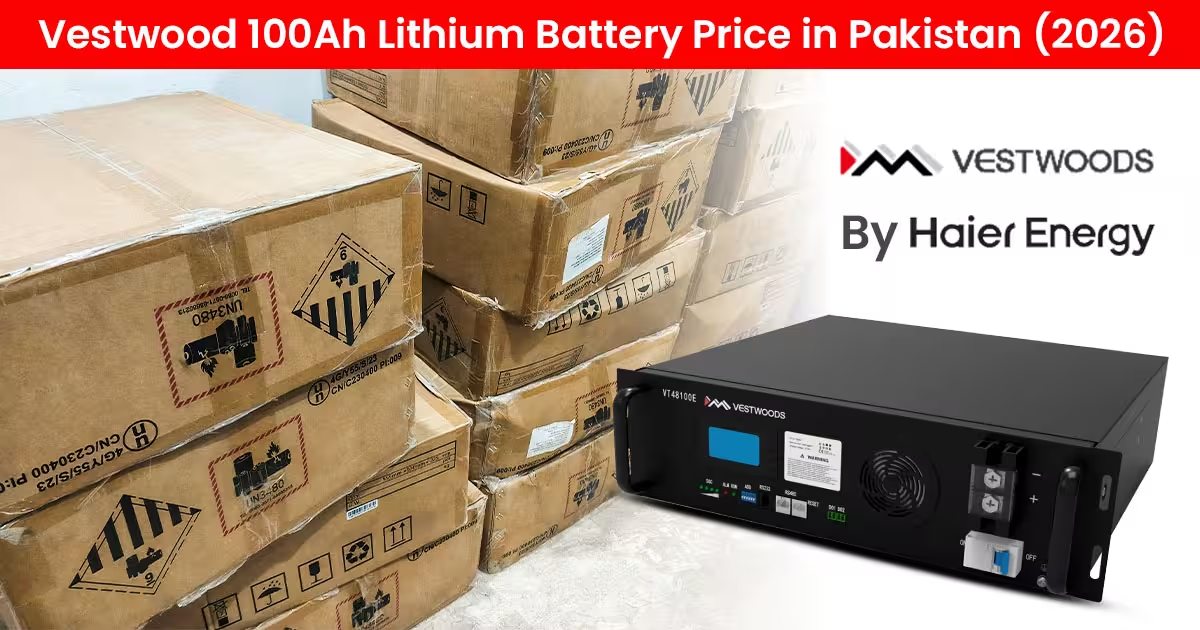
Solar Inverter and Lithium Battery Compatibility
Battery compatibility is one of the most misunderstood parts of choosing a hybrid inverter.
- Low-voltage vs high-voltage batteries. Low-voltage (typically around 48V) and high-voltage battery systems use different inverter designs. You cannot mix them freely.
- Supported battery models. Each inverter series lists the batteries it works with. Use those, not just any lithium battery of the right capacity.
- BMS communication. The battery management system should communicate with the inverter so charging and discharging are controlled safely.
- Charge and discharge limits. The inverter and the battery each have limits, and the lower one sets what you can actually use.
- Nominal voltage match. The battery’s nominal voltage must match what the inverter is built for.
Features such as generator input or EV charger integration are model-specific, not universal. Confirm them for the exact model if you need them.
Common Solar Inverter Buying Mistakes
- Choosing only by price. The cheapest quote may leave out important items or use a model unsuited to your load.
- Confusing kW with kWh. kW is power at a moment in time. kWh is energy stored or used. Inverters are rated in kW and batteries in kWh.
- Overlooking surge loads. Air conditioners and pumps need far more power to start than to run.
- Assuming every hybrid inverter supports every battery. Always confirm the supported battery list.
- Ignoring warranty terms. Understand what is covered, for how long and who handles the claim.
- Not confirming a genuine product and authorized service. Buy from an authorized supplier and keep proof of purchase.
Where to Buy Solar Inverters in Pakistan
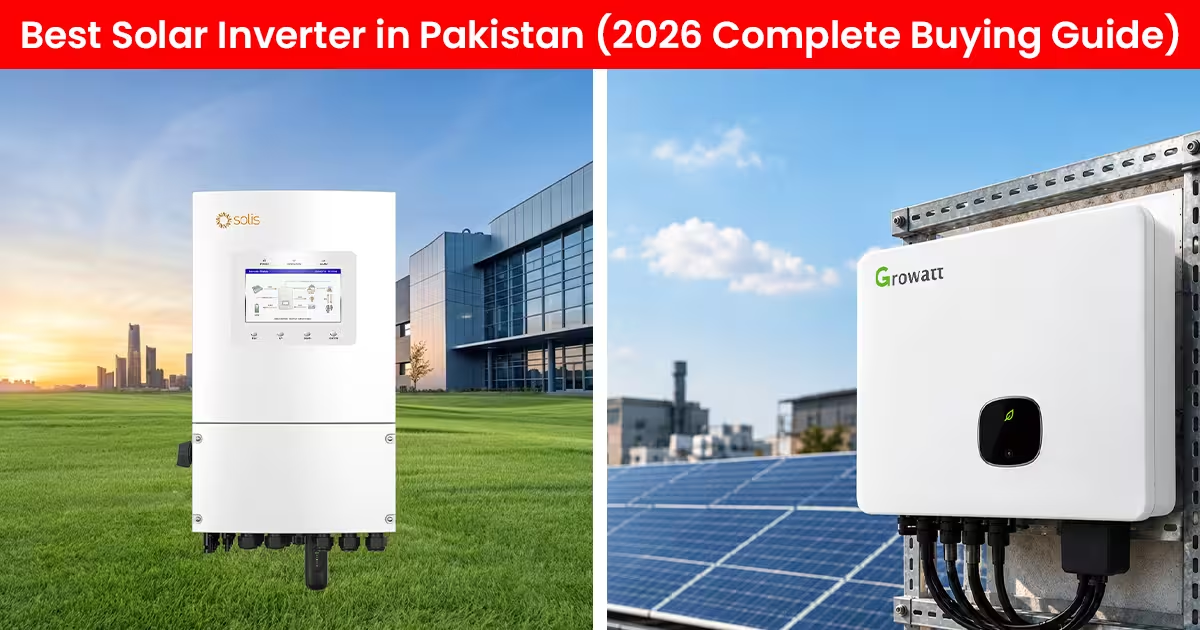
Vertex Solar Solution is a Lahore-based supplier offering inverters from GoodWe, Sineng, FoxESS, Sofar, Crown, MaxPower, Growatt and Solis, with delivery arrangements for customers across Pakistan. If you are in Lahore, you can discuss your requirements with the team and confirm stock before you commit. If you are elsewhere, confirm delivery options, warranty terms and after-sales support with the team.
To compare products, browse the solar inverter catalog, request a quotation, or message the team on WhatsApp for help choosing the right inverter for your home or business.
Buying From Different Cities
- Lahore. Buying from a Lahore-based supplier makes it easier to check availability, get technical advice and arrange delivery or installation. Confirm what is in stock and what arrangements apply to your area.
- Karachi. Coastal conditions make corrosion resistance and correct installation especially important. Ask about enclosure ratings and mounting location.
- Islamabad and Rawalpindi. Household backup and correct system sizing are the main concerns. Verify delivery, warranty and after-sales support before you order.
- Faisalabad, Multan and other industrial or agricultural areas. Three-phase and high-capacity systems are common. Pay attention to heat, dust and accurate load calculations.
Ready to Choose Your Inverter?
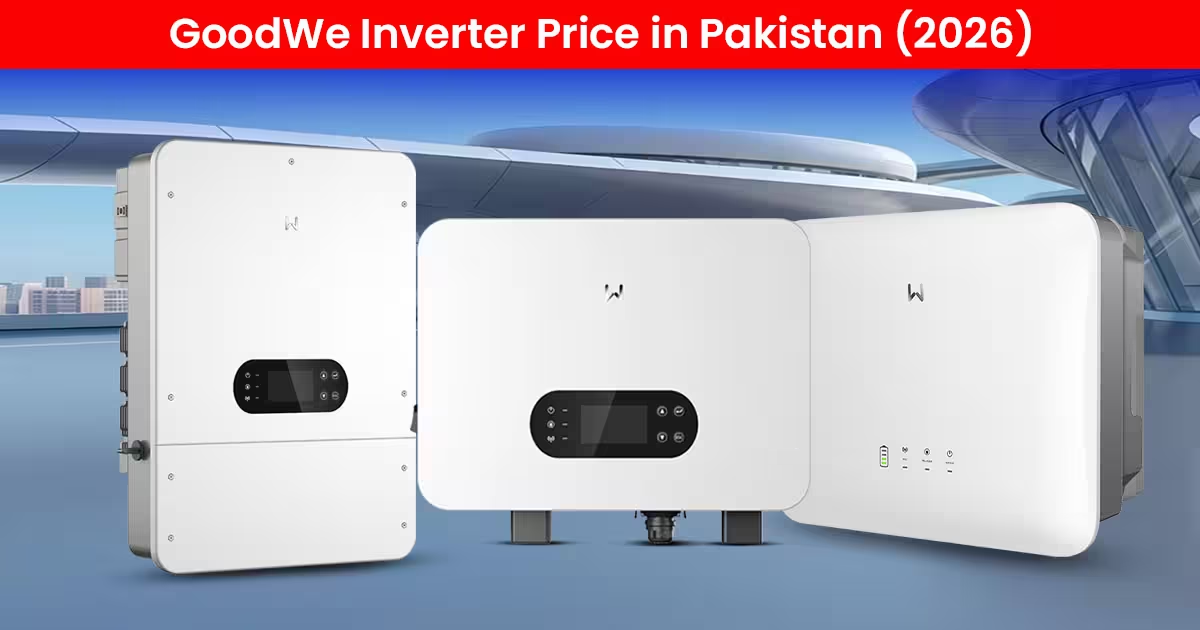
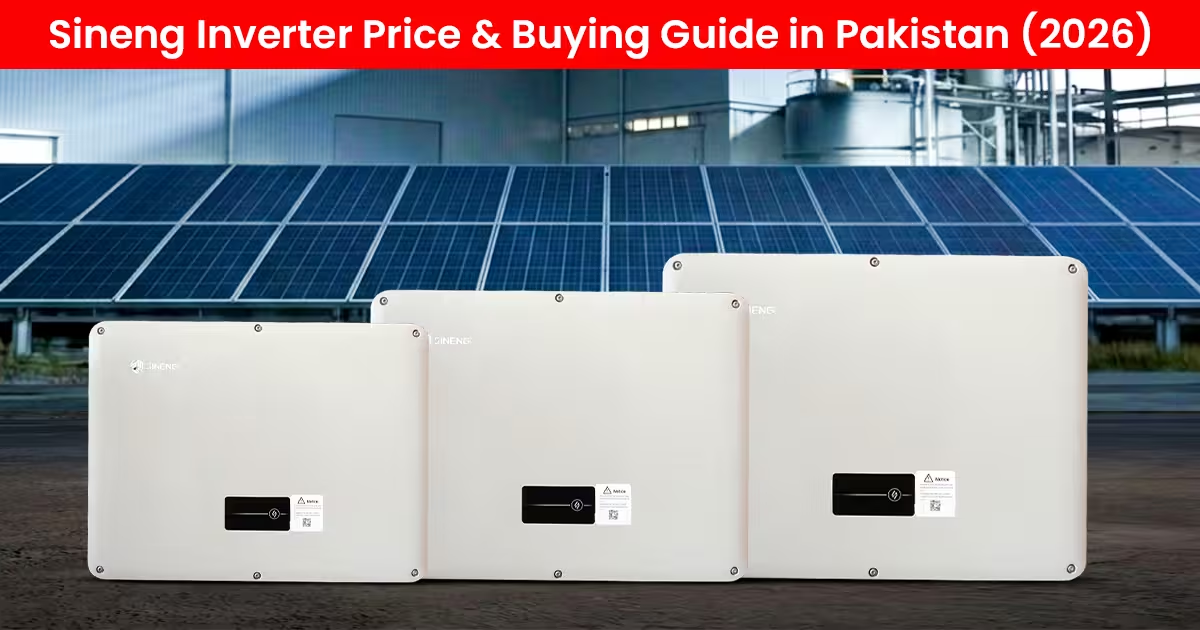
Compare models in the Vertex Solar Solution inverter shop, or contact the team for a quotation and help choosing an inverter that fits your load, budget and backup needs. For brand-specific details, read the GoodWe Inverter Price in Pakistan guide and the Sineng Inverter Price & Buying Guide.
Specifications, stock and prices change. Confirm model numbers, ratings, warranty and prices on the product page or with the team before you buy.






Hey guys, you’re doing a great job! I’ve done a lot of research, and you don’t just focus on sales, you actually provide helpful information on which inverter works best for specific needs.